
Cultural insights into gambling practices around the world
Gambling in Ancient Cultures
Gambling has roots that stretch back thousands of years, with traces found in ancient civilizations such as Mesopotamia, China, and Rome. In these societies, games of chance often played significant roles in religious rituals and social practices. The casting of lots, a form of gambling, was used not only for entertainment but also for decision-making in important communal matters.
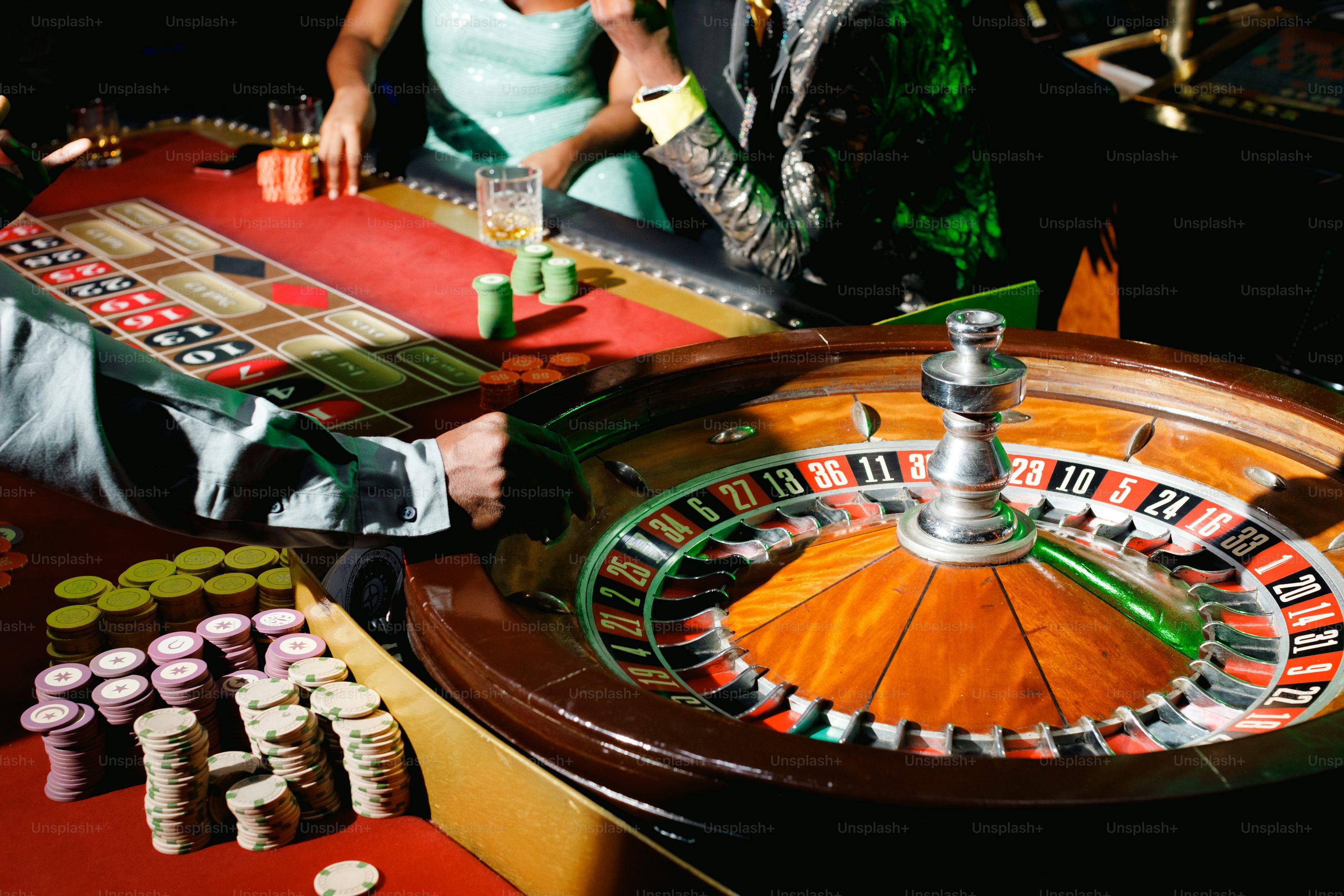
In ancient China, gambling was deeply intertwined with the social fabric, and even the earliest known dice were discovered in this region. Over time, these early forms of gambling evolved into complex games that reflected the values and beliefs of the culture, showcasing how gambling was seen as both a pastime and a spiritual endeavor.
The Influence of Religion on Gambling
Religion has significantly influenced gambling practices across various cultures, shaping attitudes and regulations surrounding the activity. In countries like the United States, the Protestant work ethic promotes the idea of hard work over luck, leading to a more ambivalent stance towards gambling. Conversely, in places like Macau, where Buddhism and Taoism prevail, gambling is often viewed through a lens of luck and fortune, making it a culturally accepted practice.
In Islamic cultures, gambling is typically prohibited, as it contradicts the principles of faith and responsible behavior. Despite these restrictions, some underground gambling activities still flourish, indicating a complex relationship with the concept of chance and risk. This divergence in religious teachings highlights how culture and belief systems dictate the acceptance and forms of gambling worldwide.
Modern Gambling Practices and Their Cultural Variations
Today, gambling takes on numerous forms, from traditional betting practices to digital platforms, each reflecting local customs and societal norms. In places like Las Vegas, gambling is a central attraction, promoting a lifestyle that embraces risk and indulgence. On the other hand, regions like Scandinavia have regulations that ensure responsible gambling, emphasizing community welfare. For those interested in exploring online options, a great way to start is through the MzansiBet sign up process.
In Asia, the rise of online gambling has been both a cultural and technological shift. Countries such as Japan and South Korea are increasingly engaging in online betting, blending traditional values with modern conveniences. This evolution showcases how cultural attitudes towards gambling can adapt while still maintaining core values.
The Role of Casinos in Cultural Identity
Casinos are often seen as more than just places to gamble; they represent a cultural identity and a source of pride for many regions. In Monaco, the Casino de Monte-Carlo is not merely a gambling venue but a symbol of luxury and elegance that attracts tourists from around the globe. This reinforces the idea that casinos can shape a city’s image and economy.
Similarly, in Atlantic City, casinos have become integral to local identity, creating jobs and boosting tourism. The blend of entertainment, dining, and nightlife in these establishments illustrates how gambling has evolved into a multifaceted cultural experience that goes beyond mere betting.
Experience Gambling Culture with Mzansibet
Mzansibet serves as an exciting platform for those looking to explore the world of online gambling. Established in South Africa, it offers a unique blend of local and international games, reflecting the diverse gambling culture present in different parts of the world. With over 1,500 slot games and a variety of sports events, Mzansibet ensures an engaging experience for all players.
New users can benefit from generous bonuses, enhancing their entry into the world of online betting. This platform not only provides entertainment but also fosters a community of players who share a passion for gambling, further enriching the cultural experience of gaming in a digital age.